
Did you know that in fiscal year 2024, the ATF issued 43,956 firearms licenses? This statistic highlights the growing interest in obtaining a federal firearms license in the United States. With 128,690 active licensees reported, it’s clear that many individuals and businesses are navigating this process.
In this article, we will explore the essential steps involved in acquiring a firearms license. This includes eligibility checks, necessary paperwork, and background screenings. The Bureau of Alcohol, Tobacco, Firearms, and Explosives plays a crucial role in regulating commercial firearm activity across the nation.
Understanding the difference between simply receiving an FFL and establishing a compliant business is vital. This guide will also cover various license types, application fees, and the 60-day federal review requirement. Inspections and ongoing compliance responsibilities will be discussed as well, ensuring you have a comprehensive overview.
Key Takeaways
- Eligibility checks are the first step in the application process.
- ATF paperwork must be completed accurately for approval.
- Background screenings are mandatory for all applicants.
- Different types of licenses exist based on business needs.
- Compliance with local and state regulations is essential.
- Inspections ensure ongoing adherence to federal laws.
Introduction to Federal Firearms Licensing
In the United States, a significant number of individuals are pursuing federal authorization for firearm-related businesses. A federal firearms license (FFL) is a vital requirement for anyone involved in the dealing, manufacturing, or importing of firearms. This license is issued by the Bureau of Alcohol, Tobacco, Firearms, and Explosives.
Under 18 U.S.C. § 923, those engaged in commercial firearm activities must obtain the appropriate license. This requirement ensures that businesses operate within the law, facilitating lawful retail sales, wholesale access, and firearm transfers. Additionally, the licensing process supports necessary customer background checks.

However, federal approval is just one aspect of the process. State laws and local zoning regulations can impact the ability to open a business, regardless of federal compliance. Understanding these layers is crucial for today’s applicants navigating the complex landscape of federal and state obligations.
| Type of License | Purpose | Application Fee |
|---|---|---|
| Type 01 | Dealer in Firearms | $200 |
| Type 02 | Dealer in Curios and Relics | $200 |
| Type 07 | Manufacturer of Firearms | $150 |
| Type 03 | Collector of Curios and Relics | $0 |
Understanding an FFL and Its Importance
Understanding the nuances of an FFL is essential for anyone looking to engage in the firearm industry. This license permits specific activities, ensuring compliance with federal law. The ATF recognizes nine distinct FFL types, each serving a unique purpose.
For instance, Type 01 covers firearms dealers, while Type 03 caters to curio and relic collectors. In contrast, Type 07 is designated for firearm manufacturers, and Type 08 applies to importers. Types 09, 10, and 11 are focused on destructive-device dealers, manufacturers, and importers.
It’s crucial to note that every responsible person involved in management must meet federal requirements. This includes participating in necessary screenings. Selecting the right FFL type aligns with your business plans, whether they involve retail sales, manufacturing, or importing firearms.
Eligibility Requirements for a Federal Firearms License
Navigating the requirements for a firearms license involves understanding both federal and local regulations. Applicants must meet several key criteria to qualify for this important authorization.
First, individuals must be at least 21 years old and either U.S. citizens or legal permanent residents. Additionally, they must be legally permitted to possess firearms. Certain disqualifying factors exist, including felony convictions, domestic violence convictions, and unlawful drug use.
Every responsible person involved in the application must submit fingerprints and pass a required background check. This process is crucial for ensuring safety and compliance with federal law.
Furthermore, the proposed business location must align with local zoning laws and regulations. It’s essential to verify local zoning before submitting the application, as restrictions may hinder eligibility.
| Eligibility Criteria | Description |
|---|---|
| Age | Must be at least 21 years old |
| Citizenship | Must be a U.S. citizen or legal permanent resident |
| Disqualifying Factors | Felony convictions, domestic violence, etc. |
| Background Check | Required for every responsible person |
| Business Location | Must comply with local zoning laws |
How to Get a Federal Firearms License Step-by-Step
The interest in obtaining licenses for firearm-related activities is rising steadily across the United States. Understanding the steps involved is crucial for success. This section will guide you through the process, from selecting the right license type to submitting necessary documentation.
Choosing the Right FFL Type
The first step involves selecting the appropriate FFL type. This choice depends on whether you plan to be a dealer, manufacturer, or collector. Each type serves a unique purpose and comes with different regulations.
Preparing Your Application and Necessary Documentation
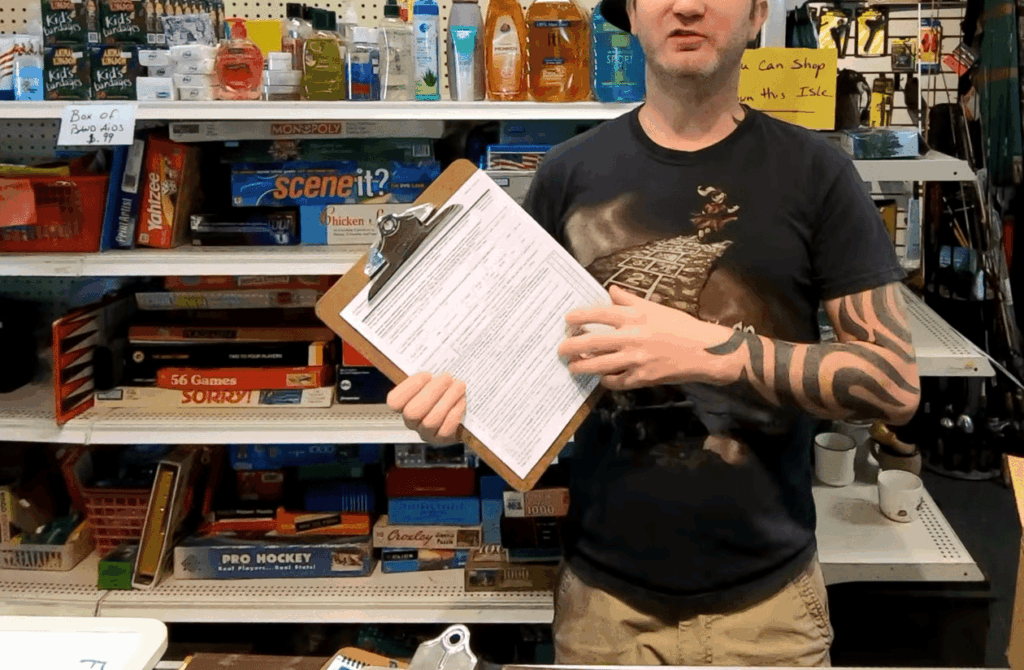
Next, complete ATF Form 7 with relevant business details. Every responsible person must submit fingerprint cards and 2-by-2 photographs. Additionally, ensure all required documents are accurate and complete.
Submitting ATF Forms and Payment of Fees
Once your application is ready, submit it along with the applicable application fee. For instance, a Type 01 dealer license costs $200 and lasts for three years. After submission, the ATF will review your application, conduct background checks, and schedule an in-person interview and premises inspection.
| FFL Type | Cost | Duration |
|---|---|---|
| Type 01 | $200 | 3 years |
| Type 03 | $0 | 3 years |
| Type 07 | $150 | 3 years |
| Type 08 | $300 | 3 years |
The Role of ATF and Compliance in the Firearm Industry
The ATF oversees compliance and application processes for those entering the firearm business. This agency plays a vital role in ensuring that all operations adhere to federal regulations. Understanding this process is crucial for success.
Upon receiving a completed application, the ATF must act within 60 days. However, delays can occur due to incomplete paperwork or scheduling conflicts. An Industry Operations Investigator will conduct an in-person interview and inspect the premises.
During the interview, applicants should be prepared to discuss key regulations, including the Gun Control Act and the National Firearms Act. Knowledge of recordkeeping duties and transfer documentation is also essential.
- ATF background checks review criminal history and prior firearms-law violations.
- Applicants must demonstrate a clear compliance plan for managing firearm transactions.
- Every responsible person must provide accurate information during the application process.
Preparing Your Business for Firearm Transactions
Preparing your business for firearm transactions requires careful planning and adherence to local regulations. Understanding your business location is essential, as every applicant must identify a licensed site for firearm activities. While a storefront is not federally required, compliance with local zoning laws is crucial.
For those considering a home-based operation, it’s vital to confirm that residential zoning permits such activities. Additionally, lease agreements and homeowners’ association rules may impose restrictions. These local factors can significantly impact your ability to operate.
Moreover, securing the necessary licenses and permits at the state and local levels is a key step. Authorities may require a general business license, sales-tax permit, or firearm-dealer license. Applicants should prioritize obtaining these permits, as some jurisdictions mandate local approval before the ATF processes the federal application.
Lastly, ensure that your premises are ready for inspection. This includes secure storage, customer transfers, inventory control, and the recordkeeping expected of an FFL holder.
Navigating Application Fees and Financial Considerations
Understanding the financial implications of acquiring a firearms license is crucial for potential applicants. The costs associated with this process can vary significantly based on the type of license you choose.
Here’s a breakdown of the initial application fees and renewal costs:
| License Type | Initial Cost | Renewal Cost (Every 3 Years) |
|---|---|---|
| Type 01 & Type 02 | $200 | $90 |
| Type 03 & Type 06 | $30 | $30 |
| Type 07 & Type 08 | $150 | $150 |
| Types 09, 10 & 11 | $3,000 | $3,000 |
Applicants should budget the federal application fee separately from state permits and local approvals. Other costs may include business formation, insurance, security, software, and inventory expenses.
Ongoing expenses can include maintaining a digital bound book, background-check charges, and employee training. For example, Colorado charges $15 for a firearm background check, which is separate from any private-transfer fee.
State-Specific Considerations for FFL Applicants
Firearm licensing varies significantly across the United States, with each state imposing its own requirements. Federal approval does not create uniform operations, as local and state regulations play a crucial role.
For instance, California mandates a Certificate of Eligibility and dealer registration with the California Department of Justice. Similarly, Illinois requires applicants to obtain a Firearm Owner Identification card and dealer certification through the Illinois State Police.
In Texas, while there is no state permit to purchase firearms, local business licensing and zoning approval are necessary. States like Florida, Ohio, and North Carolina also require verification of local zoning and business-license requirements.
Moreover, Colorado’s Bureau of Investigation mandates that FFLs submit a copy of their license with a visible ATF seal and a business phone number. Understanding these nuances is essential for compliance.
- California applicants must secure a Certificate of Eligibility.
- Illinois requires a Firearm Owner Identification card.
- Texas, Florida, Ohio, and North Carolina applicants should confirm local licensing and zoning.
- Colorado FFLs must submit specific documentation to the Bureau of Investigation.
Technology and Tools for FFL Compliance
In today’s digital age, technology plays a pivotal role in maintaining compliance for firearm businesses. A compliant technology stack should connect a digital bound book, serialized inventory, point-of-sale tools, payment processing, and online sales workflows. Every transaction must be recorded accurately, detailing the manufacturer, model, serial number, and disposition information.
FastBound is recognized as an industry-standard digital bound-book platform. It can seamlessly integrate with firearm-specific point-of-sale systems. Additionally, Gearfire boasts over 13 years of experience in the industry, serving more than 2,000 retailers through its connected operational platform.
Applicants should ensure that their payment processors and e-commerce providers permit firearm transactions. Relying on generic platforms with restrictive policies may lead to compliance issues. Embracing these tools not only enhances efficiency but also supports adherence to federal rules.
Avoiding Common Mistakes in Your FFL Application
Many applicants overlook key steps when applying for their firearms license. Understanding these common mistakes can help streamline the process and avoid unnecessary delays.
Preparing for the IOI Interview
During the in-person interview, the Industry Operations Investigator will assess your knowledge of firearm transfers, Form 4473, and bound book records. Be prepared to explain how your business will manage these critical aspects.
Ensuring Complete and Consistent Documentation
It is essential that every responsible person’s information, including photographs and fingerprint cards, is complete and consistent across all submitted materials. Common errors include:
- Skipping local zoning verification before submitting ATF Form 7.
- Missing information for every responsible person involved.
- Inconsistent answers across documentation.
Before submission, conduct a final document audit. This should identify any blank answers, contradictory addresses, incorrect license types, or missing signatures. Being thorough can significantly improve your chances of approval.
Conclusion
Obtaining a firearms license requires careful attention to various essential steps. Eligibility screening, accurate ATF paperwork, and fingerprint cards are all crucial components of the FFL application. Background checks must be completed for every responsible person involved, and local approval is necessary.
Once approved, the responsibilities continue. Federal firearms licensees must maintain a bound book and follow Form 4473 procedures for documenting every firearm transfer. Renewal planning is also vital, as ATF Form 8 is typically sent 90 days before the license expires.
Compliance with current federal rules and regulations is critical. Being prepared for inspections by the industry operations investigator ensures ongoing adherence to standards. A well-prepared application and organized operating system can significantly reduce delays and help maintain audit readiness.